 Diabetes In Control. A free weekly diabetes newsletter for Medical Professionals. News and information for Medical Professionals.
Discover how exercise timing in type 1 diabetes, meal timing, insulin on board, and workout intensity can influence glucose responses.
Read More »Eat, Then Exercise—or Exercise First? In Type 1 Diabetes, the Order May Matter

Discover how exercise timing in type 1 diabetes, meal timing, insulin on board, and workout intensity can influence glucose responses.
Read More »
TrialNet’s ASCEND T1D trial compares ATG with teplizumab to explore new ways to delay progression of Stage 2 type 1 diabetes.
Read More »
Time-restricted eating has become a popular approach to weight management, but what happens when insulin-dependent diabetes enters the picture? Until recently, evidence on time-restricted eating in people with type 1 diabetes was notably limited. A new randomized controlled trial published in Diabetes Care offers some of the first direct evidence. …
Read More »
Could continuous glucose monitoring do more than improve glucose levels and help prevent hypoglycemia? New research raises that possibility. A large observational study examining CGM use and mortality in people with type 1 diabetes found that starting continuous glucose monitoring was associated with a lower risk of death among older …
Read More »When glucose numbers improve, patients are expected to feel better. Yet some people with type 1 diabetes report the opposite. A glucose level that looks reassuring on a continuous glucose monitor may leave them feeling tired, uncomfortable, or simply “off.” New research suggests that glycemic habituation may help explain this …
Read More »
SGLT inhibitors have changed the treatment landscape for cardiovascular and kidney disease, particularly in people with type 2 diabetes, heart failure, and chronic kidney disease. That success raises an obvious question: why are SGLT inhibitors in type 1 diabetes still largely outside routine clinical practice? The answer is not a …
Read More »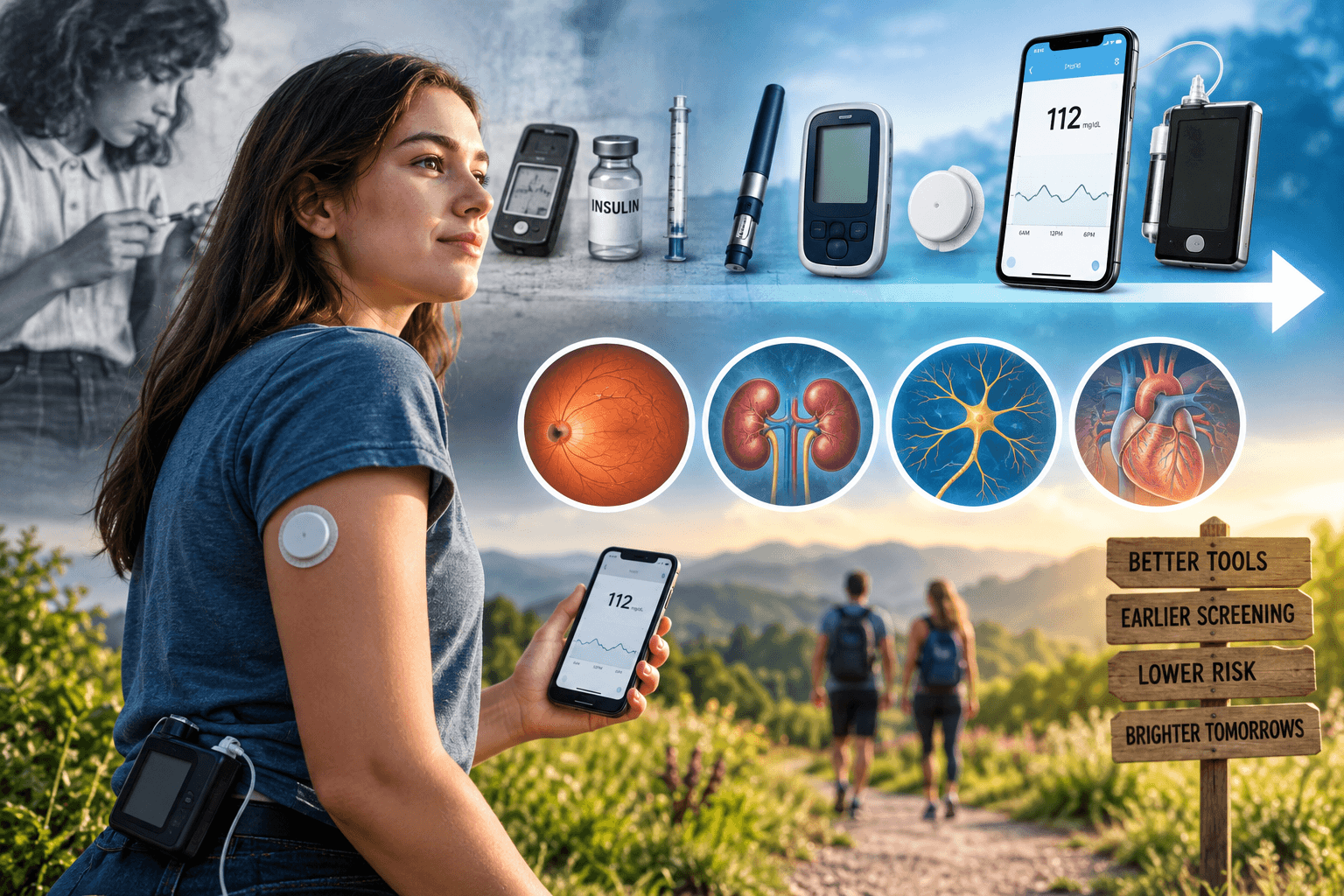
Three decades of advances in diabetes care have transformed how people with type 1 diabetes manage glucose. Insulin pumps, continuous glucose monitoring (CGM), improved insulin analogs, automated insulin delivery, and earlier screening have all changed daily treatment. However, have these advances actually reduced the long-term complications of type 1 diabetes? …
Read More »
The choice of human vs analogue insulin is especially important for people with Type 1 diabetes who live where healthcare resources are limited. Analogue insulins are often preferred because their action can be more predictable and flexible. However, human insulin is generally less expensive and may be easier for health …
Read More »
Does being diagnosed with type 1 diabetes at age 6 carry the same long-term risks as being diagnosed at 16? Researchers have been asking that question for years. Increasingly, evidence suggests that age at type 1 diabetes onset may help explain differences in complication patterns later in life. However, age …
Read More »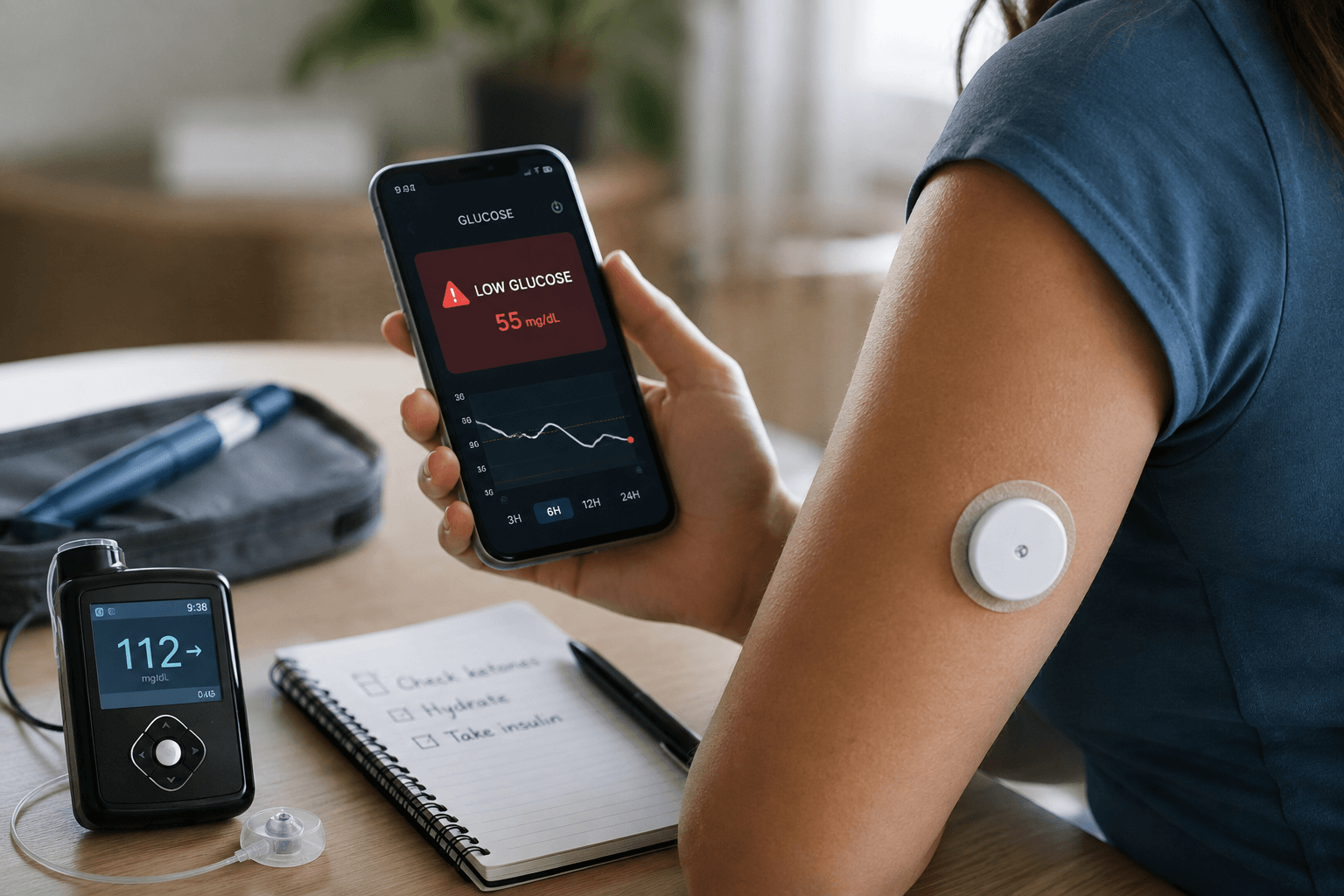
Continuous glucose monitoring has changed how clinicians and people with diabetes think about glucose control. Yet the next question is more important than whether CGM improves A1C or Time in Range. Can it prevent events that send patients to the emergency department or hospital? Growing evidence suggests that CGM may …
Read More »