Home / Therapies / Devices

Devices

Medical Devices for Diabetes Management: The following articles answer key questions about the use and application of medical devices for diabetes patient care including:
– What do they do and how?
– What medical device options are available for diabetes management?
– When should a medical device be considered?

Beyond Pain Relief: Can Spinal Cord Stimulation Restore Sensation in Diabetic Neuropathy?

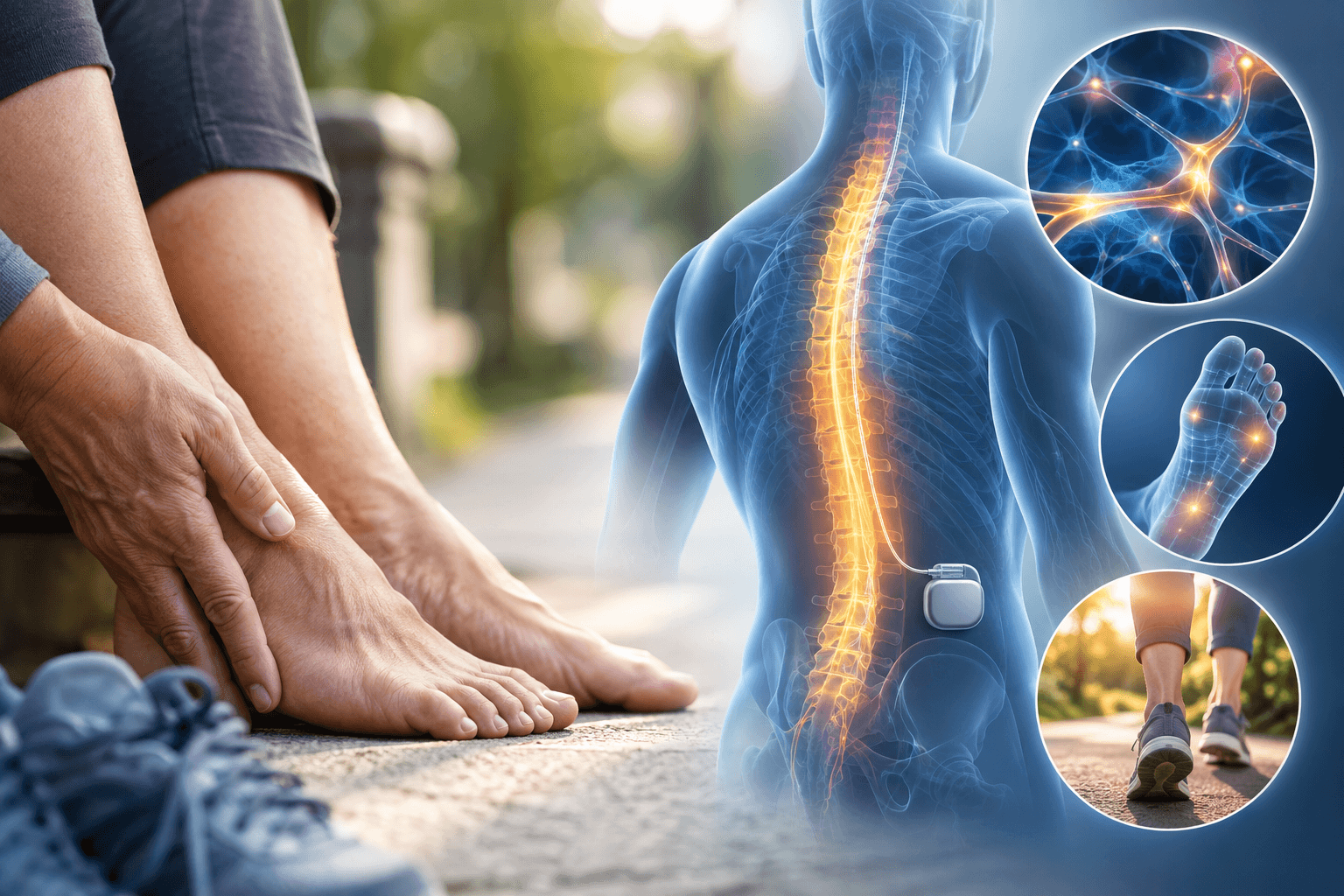
Medical illustration of spinal cord stimulation for diabetic neuropathy showing nerve pathways, foot sensation, and an implanted stimulator.

For people with painful diabetic neuropathy (PDN), treatment has traditionally focused on controlling burning, stabbing, and shooting pain. However, emerging research on spinal cord stimulation for diabetic neuropathy raises a more intriguing question: Could neuromodulation also improve sensation? Results from the SENZA-PDN clinical trial suggest that some patients receiving high-frequency …

Read More »
Dialysis Changes the Rules: What Happens When Patients With Diabetes Use Real-Time CGM?

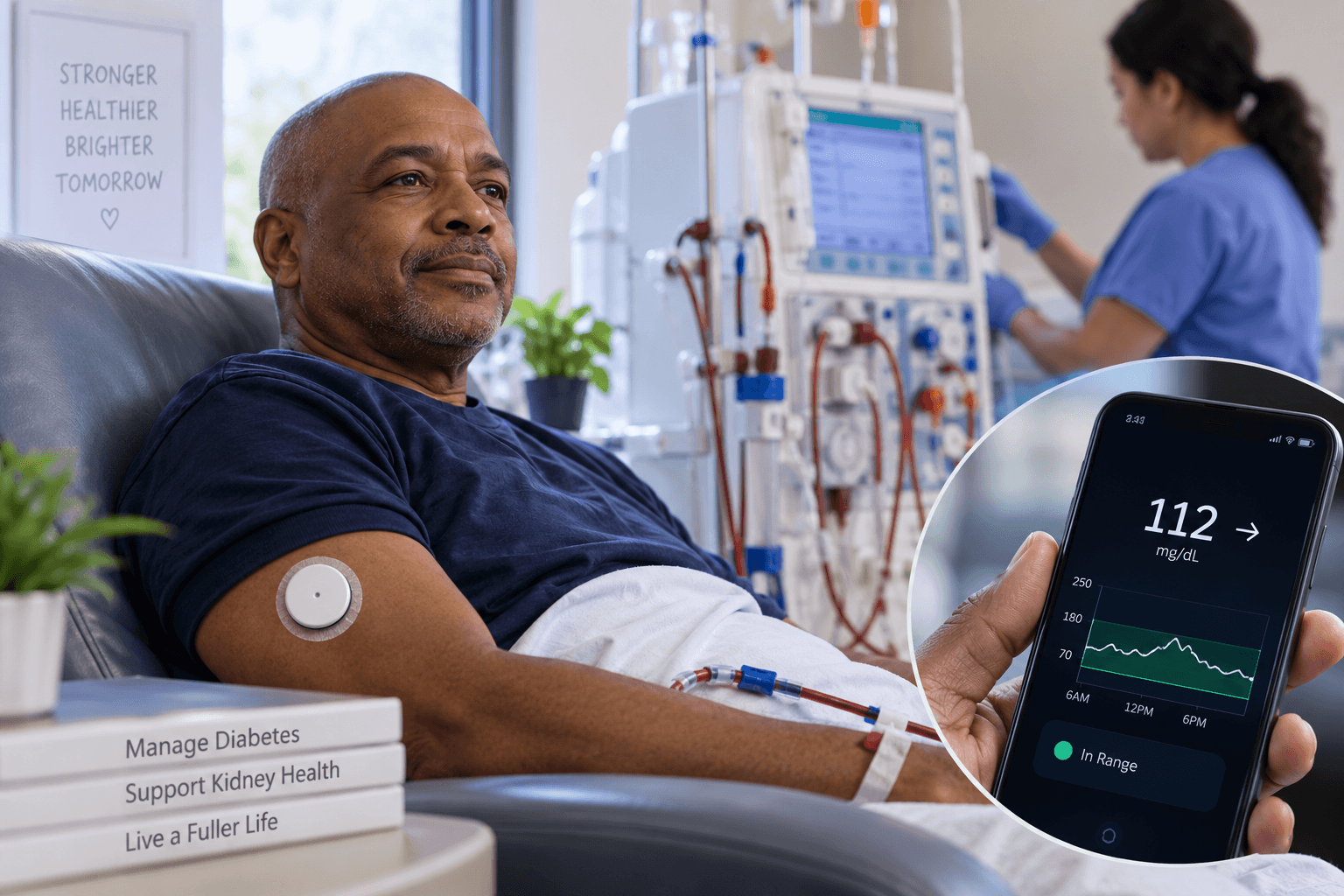
Patient with Type 2 diabetes using real-time CGM while receiving maintenance hemodialysis.

Managing glucose is rarely simple for people with Type 2 diabetes who receive maintenance hemodialysis. Dialysis can change glucose patterns, insulin needs, and the reliability of familiar measures such as A1C. As a result, clinicians may have an incomplete picture when making treatment decisions. New randomized research on CGM use …

Read More »
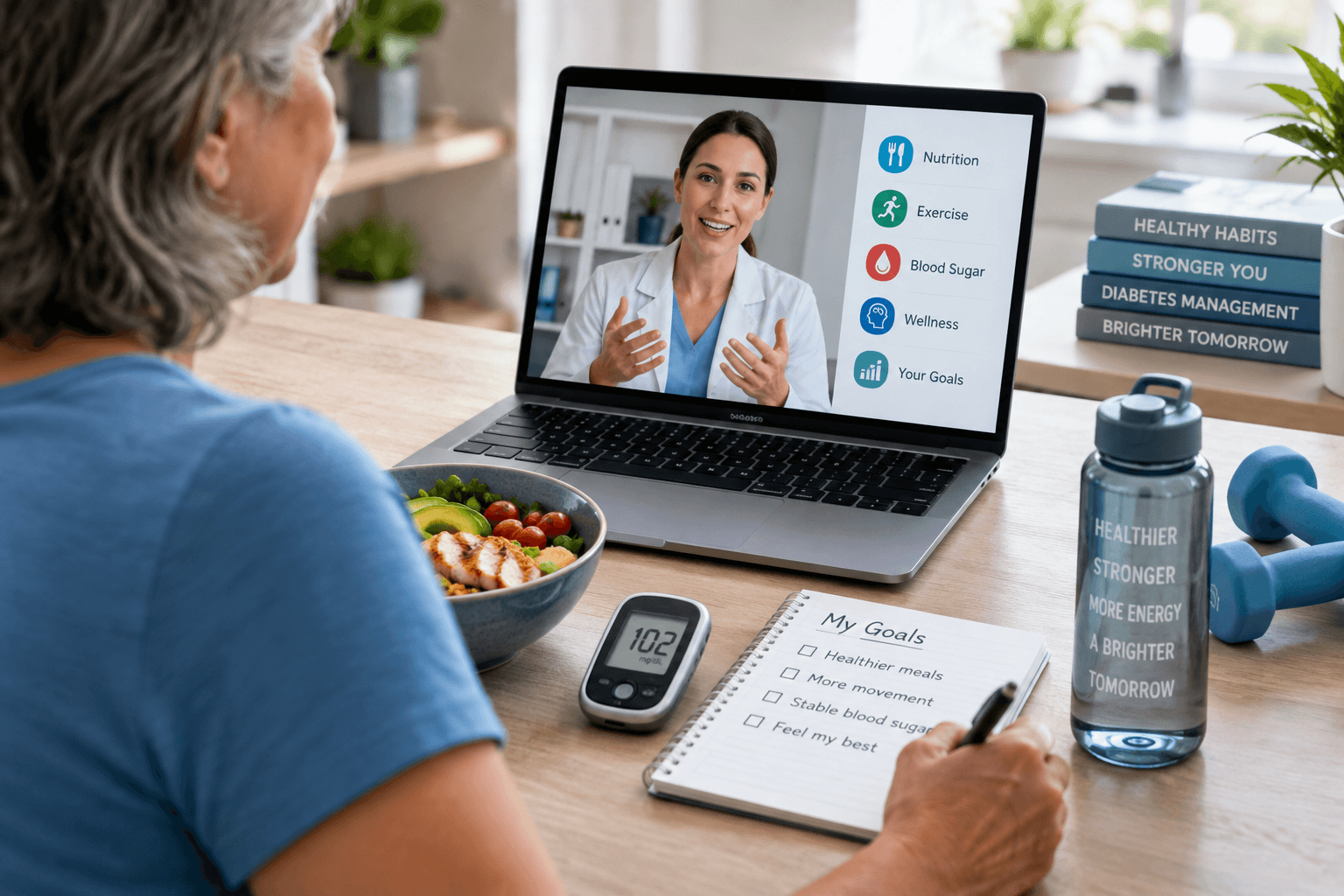
Digital Diabetes Coaching: Why an App Alone Isn’t Enough

Person with type 2 diabetes using a digital health app while receiving virtual diabetes coaching and tracking healthy lifestyle goals.

A diabetes app can track meals, count steps, log glucose, and deliver reminders. However, can an app actually help someone turn all that information into lasting daily habits? A recent randomized controlled trial suggests that digital diabetes coaching, with technology supported by ongoing human guidance, may help bridge that gap. …

Read More »

Beyond A1C: Can CGM Help Prevent Severe Hypoglycemia and DKA?

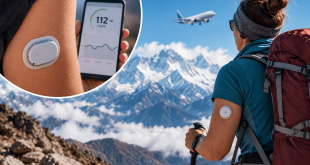
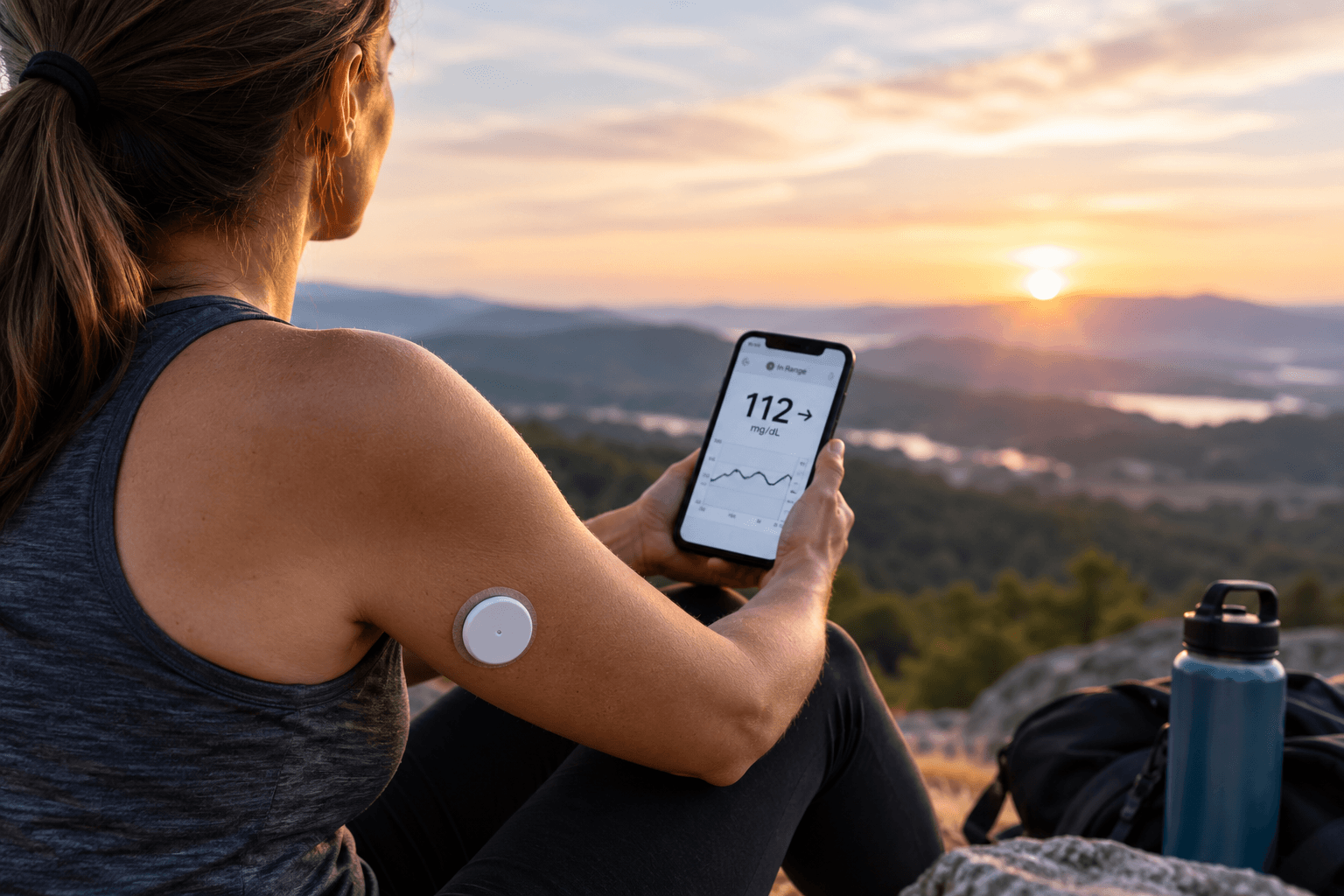
Person using a continuous glucose monitor to track glucose levels and help prevent severe hypoglycemia and DKA.

Continuous glucose monitoring has changed how clinicians and people with diabetes think about glucose control. Yet the next question is more important than whether CGM improves A1C or Time in Range. Can it prevent events that send patients to the emergency department or hospital? Growing evidence suggests that CGM may …

Read More »

Could Dissolving Microneedle Patches Make Diabetes Injections a Thing of the Past?

Dissolving microneedle patch for diabetes shown on the skin alongside insulin delivery and glucose monitoring technology.

For millions of people who use injectable diabetes medications, treatment can mean living with needles every day. What if a small skin patch could eventually deliver insulin or other therapies with far less discomfort? Researchers studying microneedle patches for diabetes hope to make that possibility practical. These experimental patches use …

Read More »

When Diabetes Technology Damages the Skin: Keeping Patients on CGMs and Insulin Pumps

CGM skin irritation around a continuous glucose monitor and insulin pump adhesive sites

Continuous glucose monitors (CGMs) and insulin pumps can transform diabetes management, but the technology only works when patients can comfortably keep wearing it. CGM skin irritation can turn a valuable device into a daily source of itching, redness, pain, or damaged skin. In some cases, the reaction becomes severe enough …

Read More »

Your Insulin Pump Is Learning Your Habits: How AI Is Quietly Changing Diabetes Care

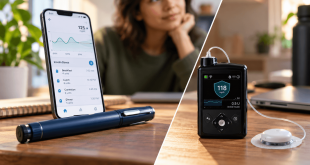
Person using adaptive insulin pump hardware connected to a continuous glucose monitor and smartphone for automated diabetes management.

Artificial intelligence is entering diabetes care in a surprisingly quiet way. Rather than appearing as a chatbot or separate decision-support tool, increasingly sophisticated algorithms are being built into automated insulin delivery systems. Adaptive insulin pump hardware can work with continuous glucose monitor (CGM) data, recent insulin delivery, and changing glucose …

Read More »

Diabetes Research Is Being Reinvented: Why Today’s Clinical Trials Look Nothing Like a Decade Ago

Modern diabetes clinical trials using continuous glucose monitoring, wearable technology, digital health data, and remote clinical research.

Modern diabetes clinical trials look very different from the tightly controlled, site-centered studies clinicians relied on a decade ago. Remote visits, continuous glucose monitoring, wearable sensors, digital data collection, and broader enrollment are changing how evidence is generated. Meanwhile, newer trial designs can make studies more flexible and potentially more …

Read More »

Can Bi-Hormonal Systems Finally Eliminate Severe Hypoglycemia?

dual-hormone-artificial-pancreas-severe-hypoglycemia

Many people with type 1 diabetes live with the constant fear of blood glucose dropping too low. Even today’s most advanced automated insulin delivery systems cannot actively raise glucose once levels begin to fall. Instead, they can only reduce or suspend insulin delivery. A dual-hormone artificial pancreas system changes that …

Read More »

Could Sweat Replace Fingersticks? The Race to Build Truly Needle-Free Glucose Monitoring

Wearable sweat glucose sensor patch on a person's upper arm displaying real-time glucose monitoring data through a connected smartphone, illustrating future needle-free diabetes technology.

For millions of people living with diabetes, checking blood sugar remains a daily routine that often involves fingersticks or wearing a continuous glucose monitor (CGM) with a tiny sensor inserted beneath the skin. Although CGMs have dramatically improved diabetes management, many people still hope for a truly needle-free alternative. That …

Read More »