3 weeks ago
Blood Glucose Control, Exercise, Physical Activity, Prediabetes, Prevention
2,274 views
New research shows the prediabetes exercise response may differ by glucose phenotype, highlighting the potential for more personalized prevention plans.
Read More »
3 weeks ago
Blood Glucose Control, Exercise, Featured, Insulin Therapy Center, Physical Activity, Type 1 Diabetes
2,049 views
Discover how exercise timing in type 1 diabetes, meal timing, insulin on board, and workout intensity can influence glucose responses.
Read More »
Sep 11, 2026
Articles, Blood Glucose Control, Devices, Diet & Nutrition, Exercise, Type 2 Diabetes, Type 2 Diabetes
1,215 views
A diabetes app can track meals, count steps, log glucose, and deliver reminders. However, can an app actually help someone turn all that information into lasting daily habits? A recent randomized controlled trial suggests that digital diabetes coaching, with technology supported by ongoing human guidance, may help bridge that gap. …
Read More »
Aug 21, 2026
Articles, Blood Glucose Control, Blood Glucose Control, Diabetes, Exercise, Physical Activity, Type 2 Diabetes, Type 2 Diabetes
1,451 views
Finding time for a full workout can be difficult, but what if two minutes of movement still mattered? Emerging research on exercise snacking for diabetes suggests that brief bursts of activity spread throughout the day may reduce post-meal glucose excursions and limit some metabolic effects of prolonged sitting. Instead of …
Read More »
Aug 12, 2026
Articles, Blood Glucose Control, Blood Glucose Control, Diabetes, Exercise, Physical Activity, Therapies, Type 2 Diabetes, Type 2 Diabetes
959 views
What if scientists could capture some of the metabolic benefits of exercise in a medicine? Research into the connection between myokines and diabetes is bringing that possibility closer to serious scientific discussion. When skeletal muscles contract, they do more than move the body. They release signaling molecules called myokines that …
Read More »
Jul 15, 2026
Articles, Blood Glucose Control, Diabetes, Exercise, Physical Activity, Type 2 Diabetes, Type 2 Diabetes
2,691 views
For years, diabetes care has emphasized one simple message: exercise regularly. While that advice remains essential, researchers are now asking a more specific question. Could when you exercise be just as important as how much you exercise? Emerging evidence suggests the answer may be yes. The growing field of chronotherapy, …
Read More »
Jul 1, 2026
Articles, Blood Glucose Control, Blood Glucose Control, Devices, Diabetes, Exercise, Physical Activity
3,151 views
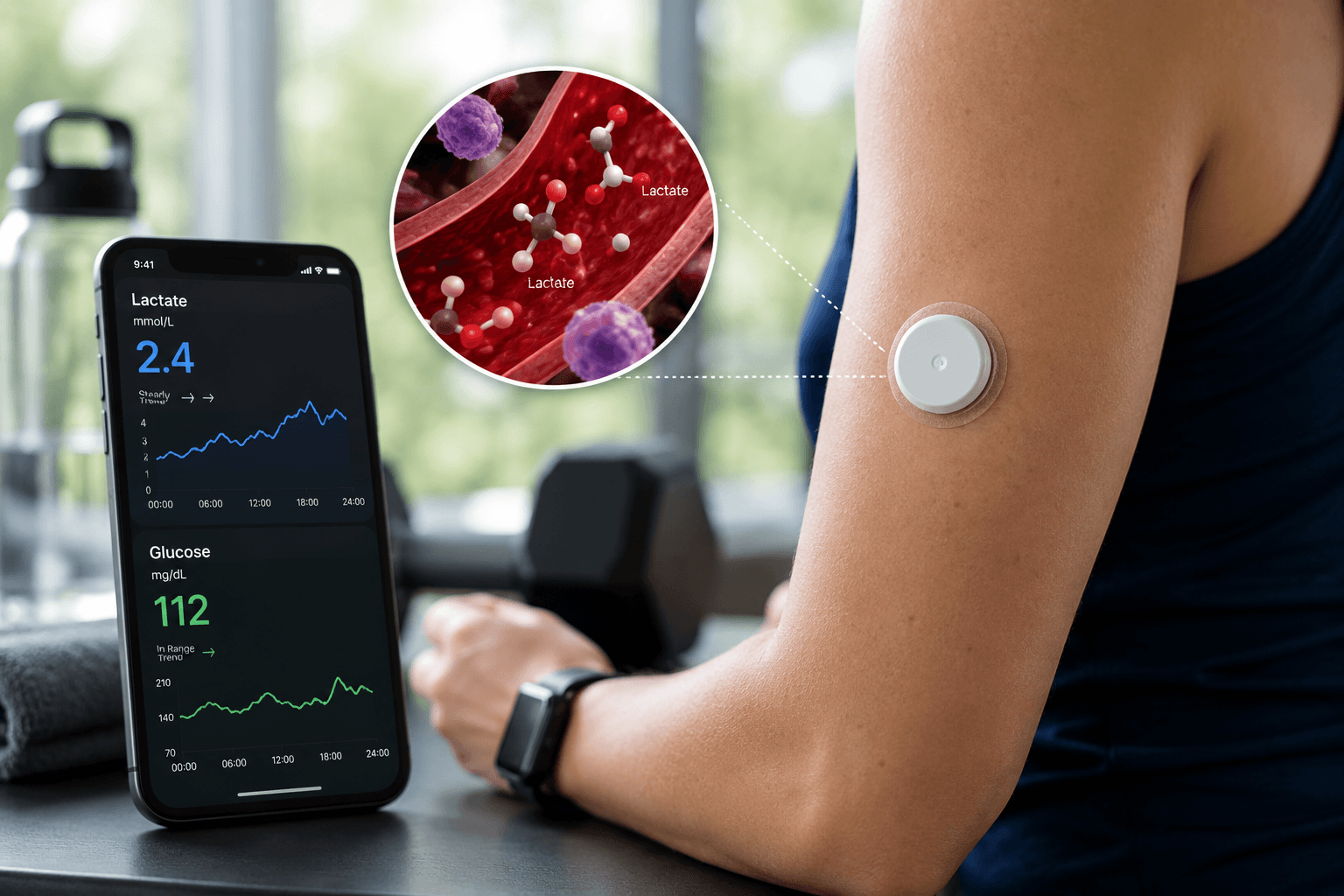
Continuous glucose monitoring (CGM) has fundamentally changed diabetes management by giving patients and clinicians access to real-time glucose data. As a result, treatment decisions have become more precise, and many people with diabetes now spend more time within their target glucose range. However, glucose represents only one part of the …
Read More »
Jun 30, 2026
Articles, Blood Glucose Control, Blood Glucose Control, Diabetes, Diet & Nutrition, Exercise, Physical Activity, Prevention, Type 2 Diabetes, Type 2 Diabetes
1,580 views
For decades, A1C has served as the gold standard for assessing long-term glucose control in people with diabetes. However, it tells only part of the story. Researchers are now exploring whether metabolic flexibility could become an important biomarker in diabetes, offering a deeper understanding of metabolic health than A1C alone. …
Read More »
Jun 16, 2026
Articles, Diet and Nutrition, Exercise, Geriatric Medicine, GLP- 1 Agonist Therapy Center, GLP-1 Agonist Therapy Center, Obesity, Obesity
3,768 views
The rise of highly effective GLP-1 receptor agonists and dual incretin therapies has transformed obesity treatment. Medications such as semaglutide (Wegovy, Ozempic) and tirzepatide (Zepbound, Mounjaro) are helping patients achieve levels of weight loss that were previously difficult to attain without bariatric surgery. However, as clinicians celebrate these advances, a …
Read More »
Jun 4, 2026
Articles, Blood Glucose Control, Blood Glucose Control, Diabetes, Exercise, Physical Activity, Type 1 Diabetes, Type 1 Diabetes, Type 2 Diabetes, Type 2 Diabetes
7,982 views
A patient finishes a hard workout, checks their glucose monitor, and feels completely confused. Instead of seeing lower blood sugar after exercise, the reading is suddenly much higher. While this reaction may seem alarming, it is actually a common response to intense physical activity in people with diabetes. Certain workouts …
Read More »
 Diabetes In Control. A free weekly diabetes newsletter for Medical Professionals. News and information for Medical Professionals.