Aug 27, 2026
Articles, Blood Glucose Control, Blood Glucose Control, Therapies, Transplants, Type 1 Diabetes, Type 1 Diabetes
1,497 views
Donor islet transplantation has long offered an intriguing possibility for people with severe type 1 diabetes: restore the body’s ability to make insulin instead of only replacing insulin from the outside. However, there has always been a major tradeoff. Patients need powerful immunosuppressive drugs to keep transplanted cells alive, and …
Read More »
Jun 26, 2026
Articles, Therapies, Transplants, Type 1 Diabetes, Type 1 Diabetes
9,715 views
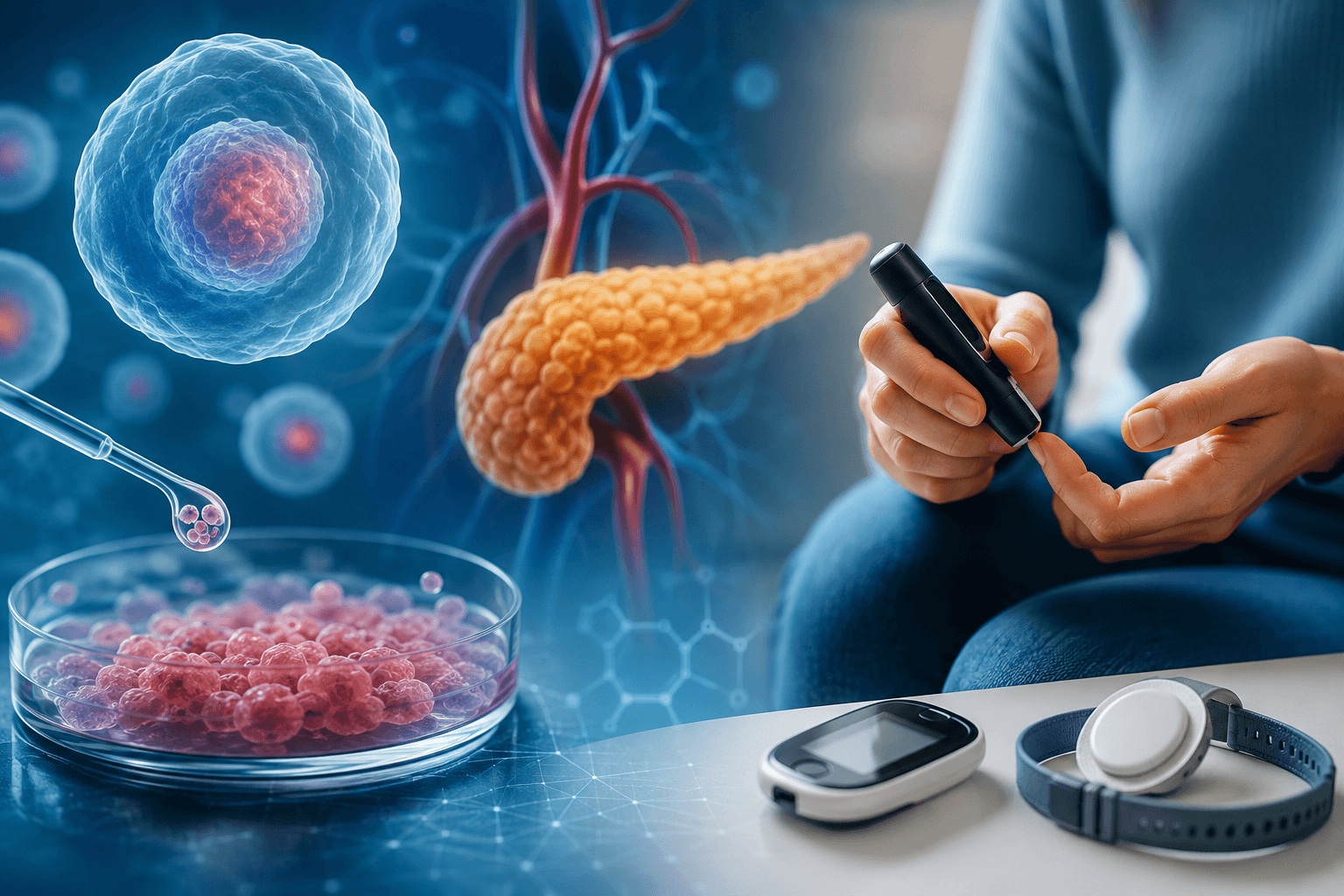
For more than a century, insulin has been the foundation of type 1 diabetes care. However, even the best insulin pumps, continuous glucose monitors, and automated insulin delivery systems still cannot fully replace the body’s lost beta cells. That is why interest in stem cell islet transplant diabetes research continues …
Read More »
May 29, 2026
Articles, Blood Glucose Control, Blood Glucose Control, Diabetes, Surgery, Transplants
4,963 views
The management of diabetes during organ transplantation has become a growing clinical challenge. As transplant programs expand and survival rates improve, more patients are living with complex metabolic complications before and after surgery. One of the most important concerns is post-transplant hyperglycemia, which can affect patient outcomes at nearly every …
Read More »
Mar 12, 2016
Articles, Transplants, Type 2 Diabetes
10,438 views
Could study of FOXO transcription factors one day lead to new therapies?
Read More »
Sep 18, 2015
Articles, Transplants, Type 1 Diabetes
6,950 views
The Diabetes Research Institute (DRI), a Center of Excellence at the University of Miami Miller School of Medicine, announced today that the first patient in its clinical trial has been free from insulin injections in record time following the implantation of islet cells within a biological scaffold. The patient, Wendy …
Read More »
Jul 20, 2015
Bone & Joint, Dermatology, Exclusive Interviews, Podiatry, Transplants
6,017 views
This week we have the second part of our two-art interview with Dr. Janice Smiell, CMO at Alliqua BioMedical, Inc. Dr. Smiell, and we delve a little deeper into the specifics of this new technology to heal chronic wounds using placental biomaterials. Steve Freed: With all the testing that is …
Read More »
Apr 22, 2015
Clinical Gems, Surgery, Transplants
4,461 views
David Levy, MD, FRCP Renal replacement therapy The decision to start dialysis is often difficult. The clinical decision is based on many factors, including the presence of uremic symptoms and weight loss, and biochemical measurements including serum creatinine (e.g. serum creatinine 700–800 μmol/L(small mu), eGFR < 12–14 mL/min, falling albumin, hyperkalemia). …
Read More »
Mar 27, 2015
Articles, Transplants, Type 2 Diabetes
5,784 views
Human embryonic stem cell therapy was recently shown to reverse type 1 diabetes in mice, and now new mouse studies suggest a role for stem cells in the treatment of type 2 diabetes… Obese, diabetic mice treated with a combination of transplanted stem cell-derived pancreatic progenitor cells and insulin-sensitizing drugs …
Read More »
Feb 22, 2015
Clinical Gems, Devices, Insulin Therapy Center, Transplants, Type 1 Diabetes
7,662 views
David Levy, MD, FRCP Introduction Insulin treatment in type 1 diabetes is substitution/replacement hormone treatment, but replacement is much more variable and difficult to achieve than in other hormone deficiencies (e.g. thyroid, adrenal, gonadal hormones) because of the minute-by-minute variation in insulin secretion by the intact pancreas, which cannot yet be …
Read More »
Feb 13, 2015
Articles, Insulin Therapy Center, Transplants
3,588 views
Success in finding new stem cells that can produce insulin… Type 1 diabetes is caused by autoimmune disease that leads to the destruction of insulin producing beta cells in the pancreas. The destruction of beta cells in the pancreas can be treated by transplant of pancreatic beta cells or cadaveric …
Read More »
 Diabetes In Control. A free weekly diabetes newsletter for Medical Professionals. News and information for Medical Professionals.