 Diabetes In Control. A free weekly diabetes newsletter for Medical Professionals. News and information for Medical Professionals.
A 34-year study links early weight loss in prediabetes to lower cardiovascular risks. Explore the findings and what they mean for prevention.
Read More »Lose 5% Now, Benefit Decades Later? Prediabetes Data Point to a Possible Legacy Effect

A 34-year study links early weight loss in prediabetes to lower cardiovascular risks. Explore the findings and what they mean for prevention.
Read More »
The type 1 diabetes consensus 2026 expands guidance on AID, cardiovascular risk, obesity, complications, psychosocial care, and new therapies.
Read More »
New trial data suggest dietary fiber supplementation may lower systolic blood pressure in adults with type 2 diabetes and hypertension.
Read More »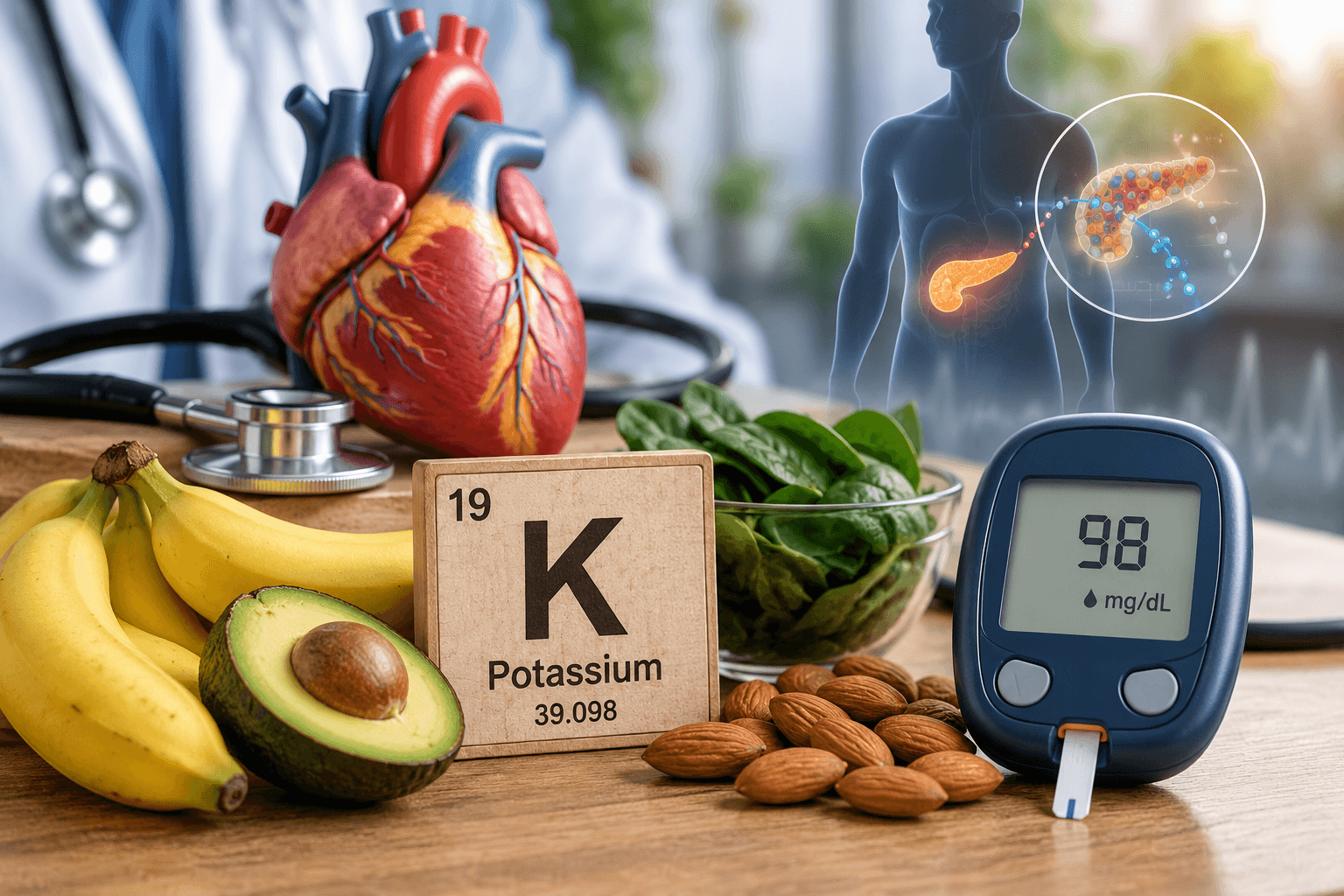
Low potassium is usually viewed through a cardiovascular lens, especially in patients with heart failure. However, emerging evidence suggests clinicians may have another reason to pay attention. New research examining the relationship between hypokalemia and diabetes risk found that lower serum potassium levels were associated with a greater risk of …
Read More »
SGLT inhibitors have changed the treatment landscape for cardiovascular and kidney disease, particularly in people with type 2 diabetes, heart failure, and chronic kidney disease. That success raises an obvious question: why are SGLT inhibitors in type 1 diabetes still largely outside routine clinical practice? The answer is not a …
Read More »
Could a routine blood sample someday reveal cardiovascular danger that cholesterol, blood pressure, and HbA1c do not fully capture? New research suggests that epigenetic cardiovascular risk prediction could offer a new way to identify people with type 2 diabetes who face a higher short-term risk of major cardiovascular events. Instead …
Read More »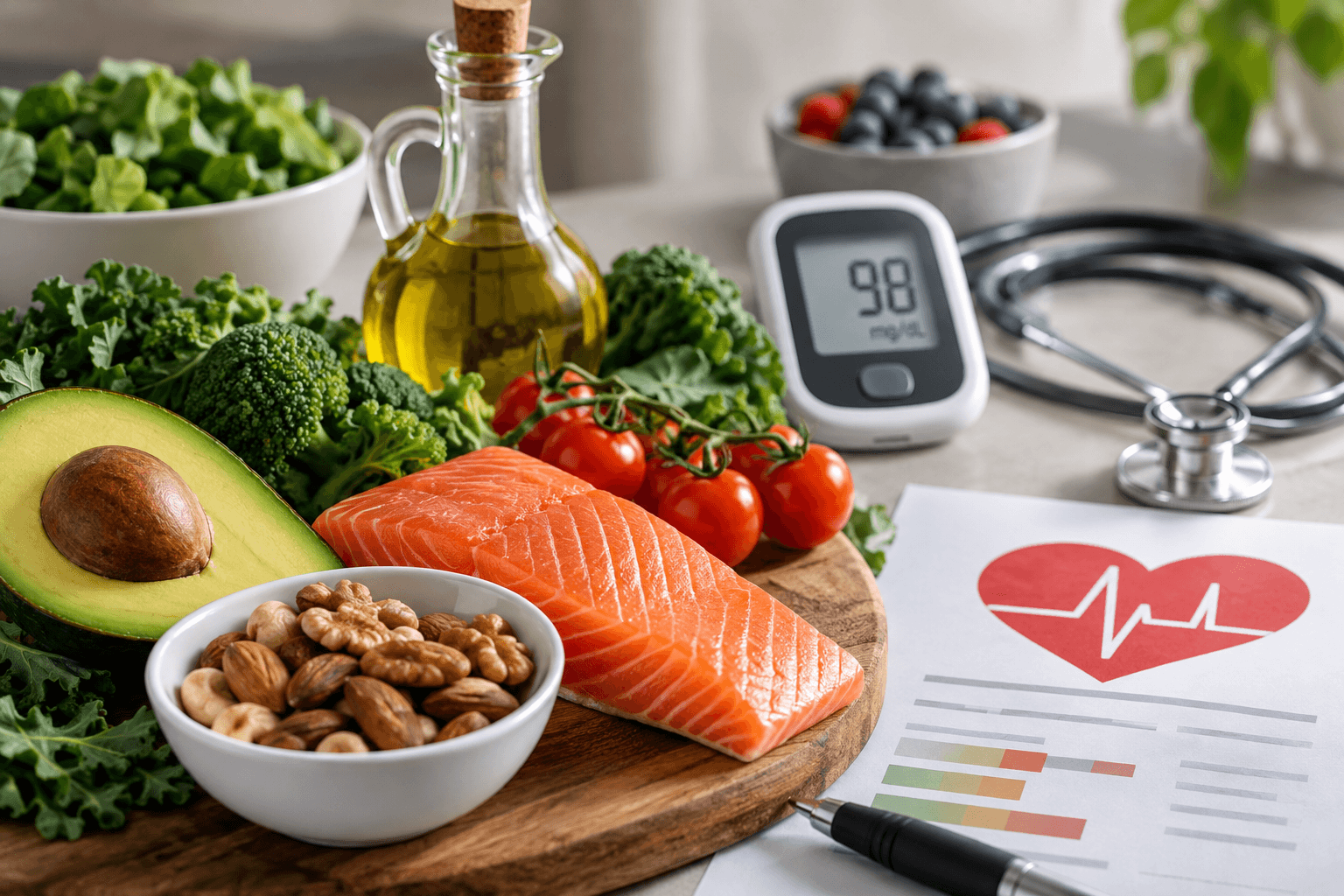
Does eating more fat automatically mean that more harmful fatty acids will circulate in the blood? A new randomized trial suggests the answer may be more complicated. Researchers studying a low-carb diet for type 2 diabetes found that six months of carbohydrate restriction changed circulating fatty acids in potentially favorable …
Read More »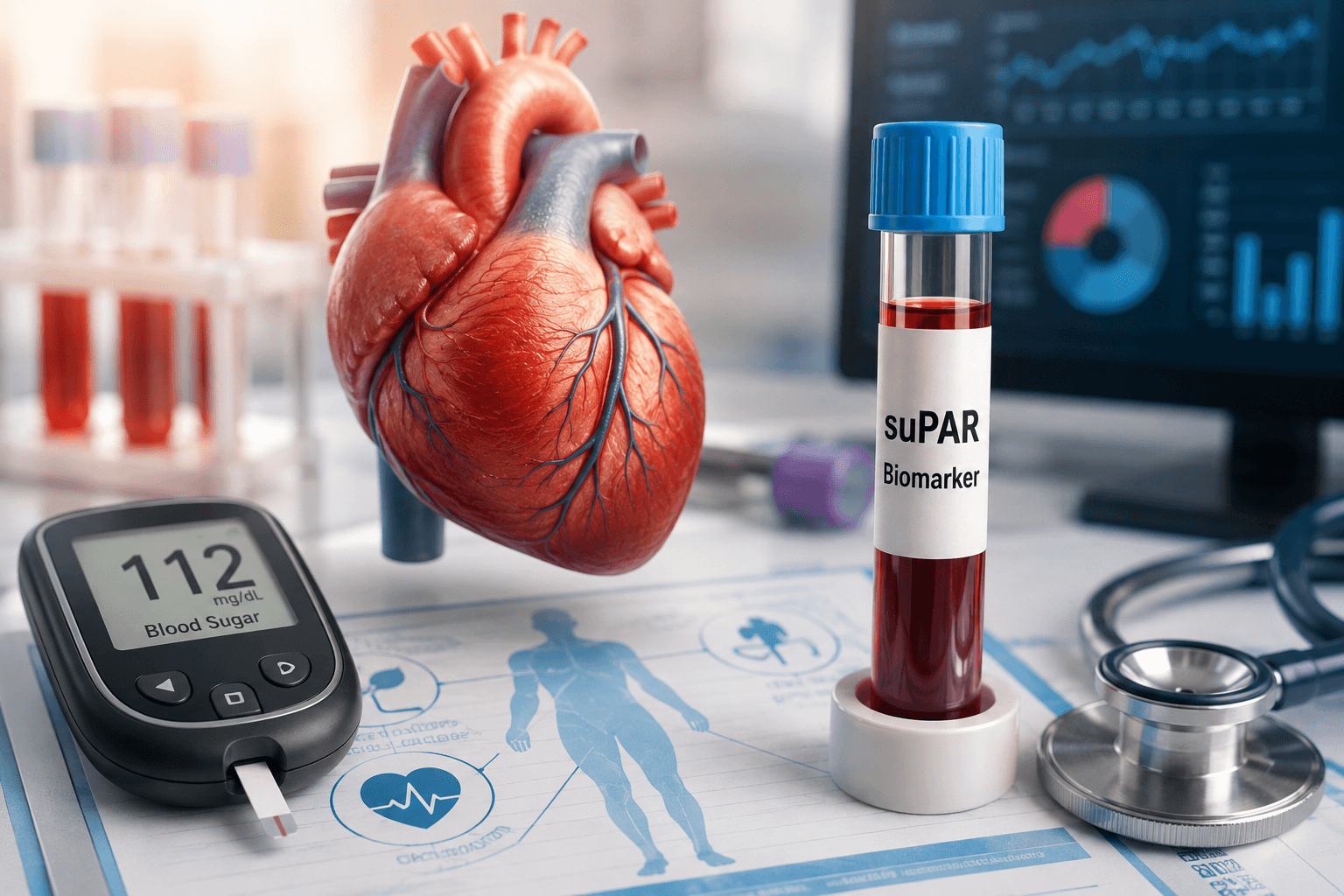
People with type 2 diabetes can face substantial cardiovascular risk even when clinicians address familiar risk factors such as LDL cholesterol, blood pressure, smoking, and blood glucose. Could another blood marker help reveal some of the risk that remains? Emerging research on the suPAR biomarker in diabetes suggests it may …
Read More »
Poor medication persistence remains one of the hardest barriers to long-term blood pressure control. For people with diabetes, the stakes are especially high because hypertension adds to cardiovascular and kidney risk. Now, research into RNAi for hypertension in people with diabetes is raising an intriguing possibility: could an injection given …
Read More »
For people with diabetes, a retinal photograph has traditionally answered one major question: Is diabetic retinopathy developing? However, artificial intelligence is beginning to uncover much more. Emerging retinal AI models for systemic risk assessment can detect patterns associated with cardiovascular disease, kidney disease, blood pressure, and metabolic health. As a …
Read More »