 Diabetes In Control. A free weekly diabetes newsletter for Medical Professionals. News and information for Medical Professionals.
New research challenges assumptions about the exocrine pancreas in type 2 diabetes and what pancreatic findings may mean for clinical care.
Read More »Type 2 Diabetes Damages the Pancreas, Or Does It?

New research challenges assumptions about the exocrine pancreas in type 2 diabetes and what pancreatic findings may mean for clinical care.
Read More »
GLP-1 receptor agonists have transformed the treatment of type 2 diabetes, but their effects on gastrointestinal motility remain an important clinical consideration. Opioids can also slow gastrointestinal function, raising an obvious question: what happens when patients need both? New research examining GLP-1 and opioid interactions suggests that opioid choice may …
Read More »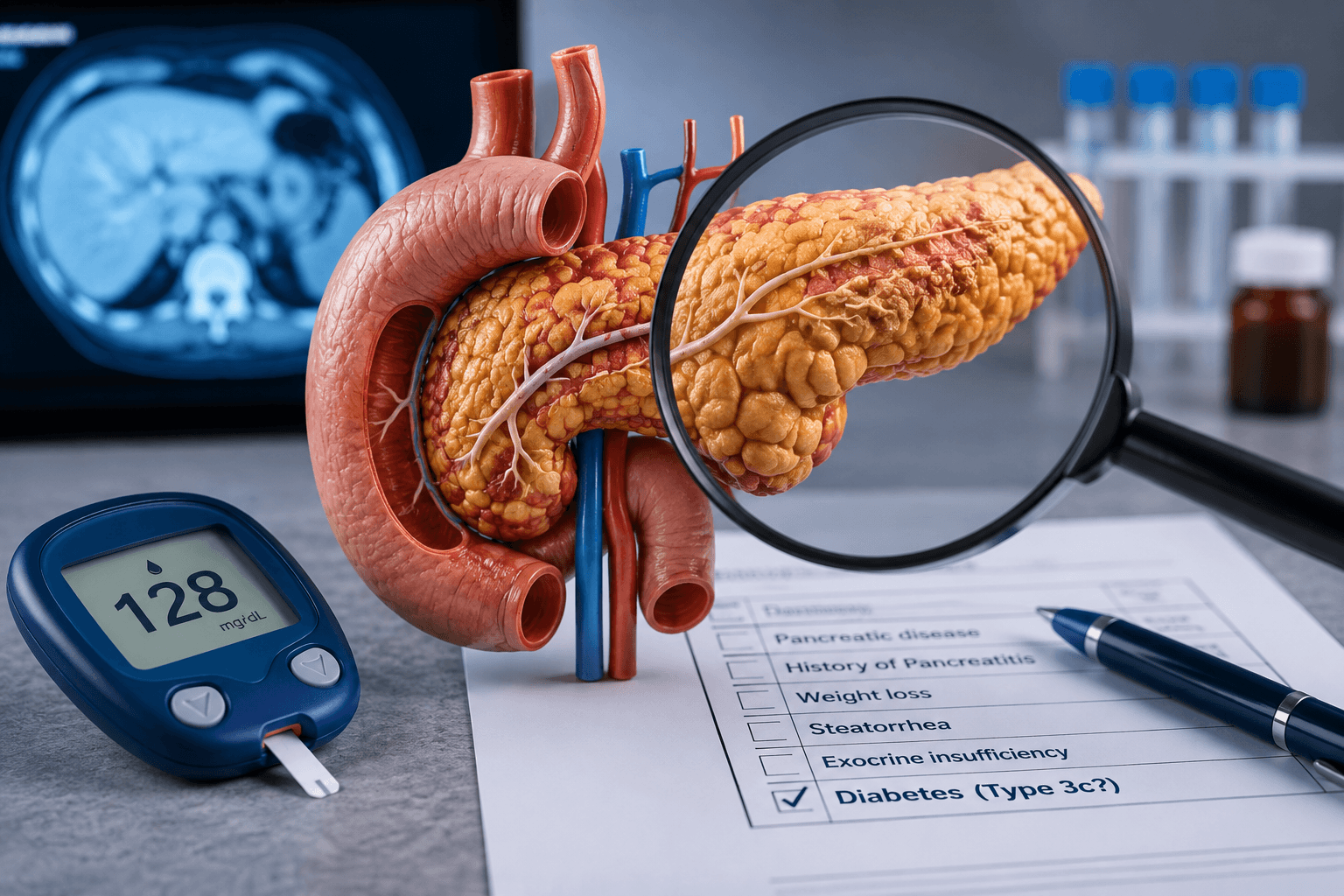
A patient develops diabetes in adulthood, so Type 2 diabetes may seem like the obvious diagnosis. However, what if that patient also has chronic pancreatitis, unexplained weight loss, pancreatic surgery, or symptoms of poor nutrient absorption? Those details can change the clinical picture. Careful evaluation can reveal Type 3c diabetes …
Read More »
Could a stool sample someday help clinicians choose a diabetes medication before writing the prescription? Emerging research into gut biomarkers in diabetes is moving that possibility closer to clinical reality. Rather than simply cataloging which bacteria live in the intestine, researchers are examining microbial genes, stool-derived metabolites, and functional signatures …
Read More »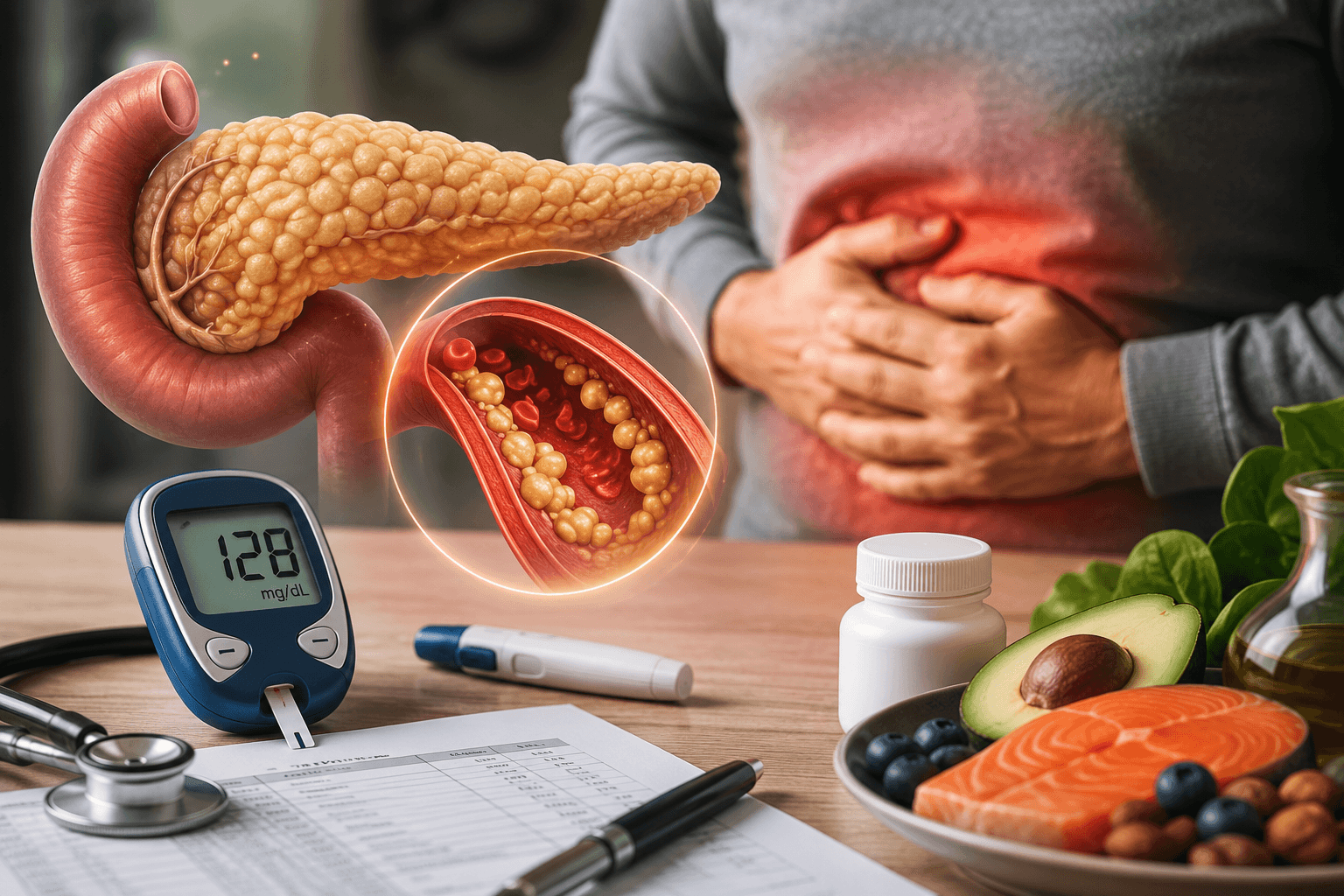
People with diabetes often focus on blood sugar, A1C, and cholesterol. However, very high triglyceride levels deserve just as much attention because they can trigger acute pancreatitis, a painful and potentially life-threatening condition. The connection between diabetes, high triglycerides, and pancreatitis is especially important because severe hypertriglyceridemia can develop silently …
Read More »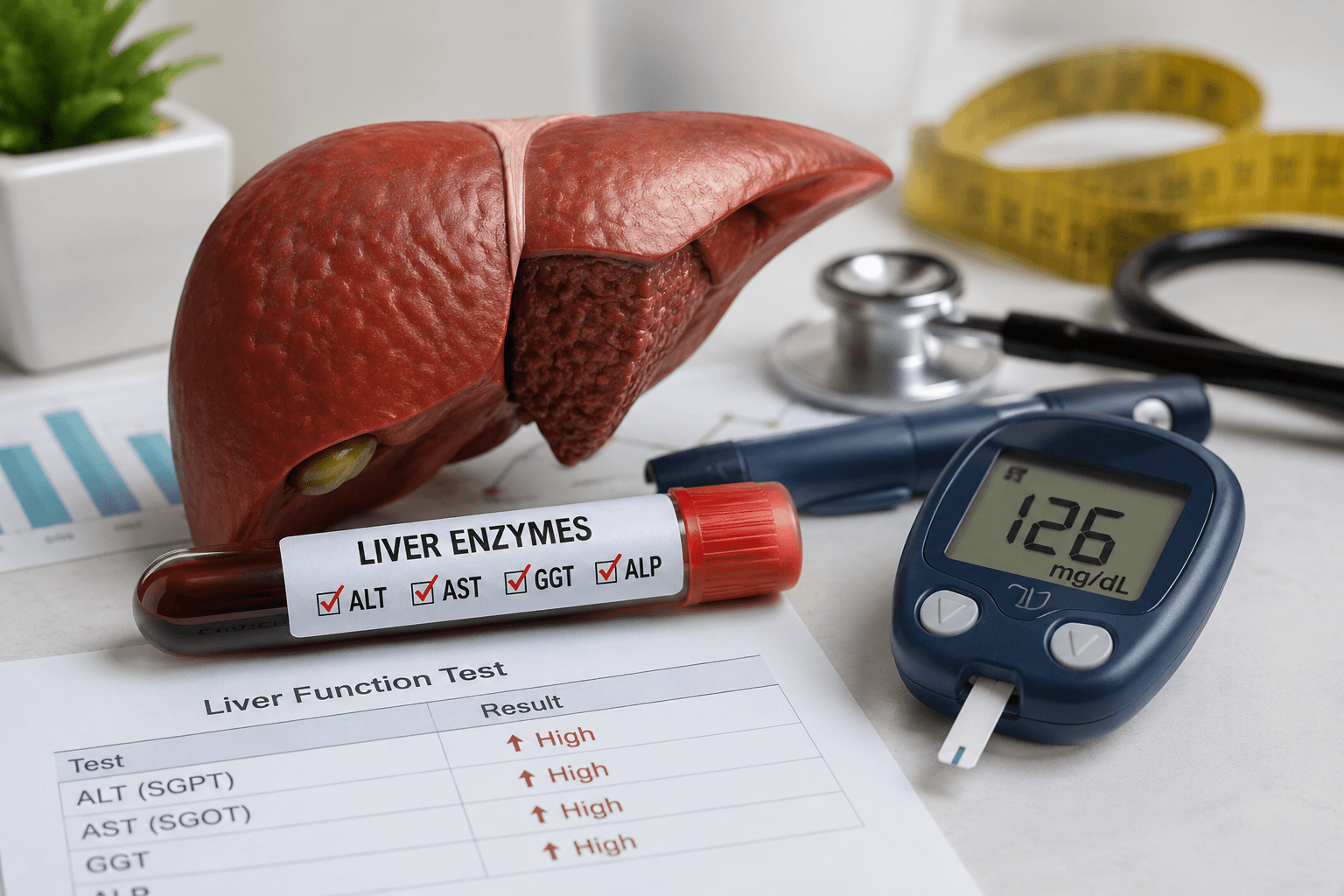
Many people think of liver function tests as a way to detect liver disease. However, researchers are discovering that routine liver enzymes may also reveal important clues about future metabolic health. Understanding liver enzymes diabetes risk is becoming increasingly important because these commonly ordered blood tests may help identify people …
Read More »
Many people with diabetes expect complications such as retinopathy, kidney disease, or peripheral neuropathy. However, gastrointestinal symptoms often receive far less attention despite their significant impact on quality of life. Chronic constipation, bloating, abdominal discomfort, and irregular bowel habits affect a substantial number of individuals living with diabetes. In many …
Read More »
Screening for fatty liver disease in patients with diabetes is no longer limited to identifying elevated liver enzymes or calculating a fibrosis score during an annual visit. Instead, clinicians are entering an era where diabetes care and hepatology increasingly overlap, especially as metabolic dysfunction-associated steatotic liver disease, or MASLD, becomes …
Read More »
GLP-1 receptor agonists have transformed diabetes care, but the long-term safety of GLP-1 therapies has become an important topic as treatment continues for many years. Initially, clinicians prescribed these medications primarily for glycemic control in patients with type 2 diabetes. However, their role has expanded due to additional benefits in …
Read More »
Early in training, many clinicians learn the classic “eye–kidney–foot” framework for recognizing and managing complications of diabetes. However, as science advances, the range of recognized consequences of diabetes—and opportunities for earlier intervention—continues to broaden. Today, the concept of diabetes complications screening must evolve to include conditions such as metabolic dysfunction–associated …
Read More »