Jun 15, 2026
Articles, Blood Glucose Control, Blood Glucose Control, Diabetes, Oncology, Therapies
1,774 views
As cancer treatment becomes increasingly sophisticated, clinicians are encountering a growing metabolic challenge. Cancer therapy–induced hyperglycemia has emerged as an important concern with the expanding use of immunotherapies and targeted therapies. In some patients, hyperglycemia develops gradually. In others, particularly those receiving immune checkpoint inhibitors, severe diabetes and diabetic ketoacidosis …
Read More »
May 18, 2026
Articles, Blood Glucose Control, Blood Glucose Control, Devices, Diabetes, Metformin Therapy Center, Oncology, Therapies
1,839 views
Cancer treatment is evolving rapidly, and with that progress comes a new challenge for clinicians managing glucose disorders. As immune checkpoint inhibitors (ICIs) and PI3K inhibitors become more widely used in oncology, therapy-related hyperglycemia is appearing more often in clinical practice. Many patients receiving cancer treatment now face unexpected glucose …
Read More »
Apr 23, 2026
Articles, Blood Glucose Control, Blood Glucose Control, Diabetes, Oncology
2,000 views
Managing hyperglycemia in oncology patients is becoming a critical part of cancer care, especially as newer therapies affect glucose metabolism. Have you ever wondered why patients with no history of diabetes suddenly develop high blood sugar during treatment? This growing challenge highlights the need for structured, practical approaches. In this …
Read More »
Mar 9, 2026
Articles, GLP- 1 Agonist Therapy Center, Obesity, Obesity, Oncology, Type 2 Diabetes, Type 2 Diabetes
3,491 views
GLP-1 receptor agonists have transformed diabetes and obesity treatment, yet safety questions still surface in clinic visits. One concern continues to appear in patient discussions: thyroid cancer risk. The topic often traces back to early rodent studies that triggered boxed warnings for medullary thyroid carcinoma (MTC). However, clinicians today rely …
Read More »
Feb 23, 2026
Articles, Diabetes, Oncology, Safety, Type 2 Diabetes, Type 2 Diabetes
4,624 views
Concerns about GLP-1 pancreatic cancer risk have circulated for more than a decade. When glucagon-like peptide-1 receptor agonists first entered the market, early post-marketing reports and small observational studies raised alarms about pancreatitis and possible malignancy. As a result, clinicians and patients questioned the long-term safety of agents such as …
Read More »
Dec 11, 2025
Articles, Diabetes, Gastroenterology, Geriatric Medicine, Neurology, Oncology, Prevention, Type 2 Diabetes, Type 2 Diabetes
1,630 views
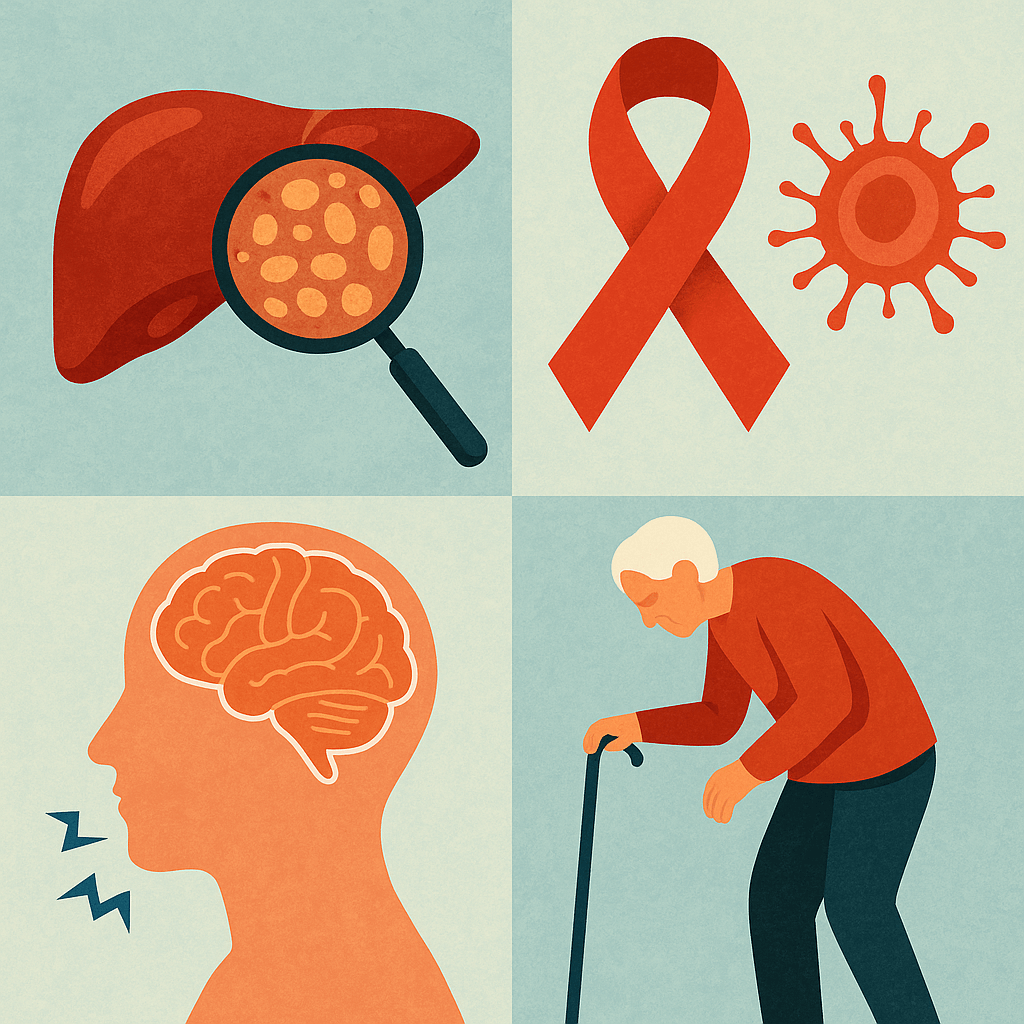
Early in training, many clinicians learn the classic “eye–kidney–foot” framework for recognizing and managing complications of diabetes. However, as science advances, the range of recognized consequences of diabetes—and opportunities for earlier intervention—continues to broaden. Today, the concept of diabetes complications screening must evolve to include conditions such as metabolic dysfunction–associated …
Read More »
Mar 20, 2021
Articles, Metformin Therapy Center, Oncology, Paid
4,053 views
Use of metformin was associated with a 16% reduced risk for overall mortality in patients with type 2 diabetes and pancreatic cancer.
Read More »
Jan 2, 2021
Obesity, Oncology, Paid, Type 2 Diabetes
3,805 views
Weight loss is a significant lifestyle modification that can affect both diabetes and the risk for some cancers.
Read More »
Sep 26, 2020
Oncology, Paid, Type 2 Diabetes
3,520 views
The case for expanding screening for pancreatic cancer in those with new onset of diabetes and weight loss.
Read More »
Jul 11, 2020
Oncology, Paid, Type 2 Diabetes
3,484 views
A recent study suggests strengthening cancer screening recommendations may be beneficial in patients with T2DM.
Read More »
 Diabetes In Control. A free weekly diabetes newsletter for Medical Professionals. News and information for Medical Professionals.