Aug 25, 2026
Articles, Diabetes, GLP- 1 Agonist Therapy Center, GLP-1 Agonist Therapy Center, News, Ophthalmology, Physician oriented, Safety
2,789 views
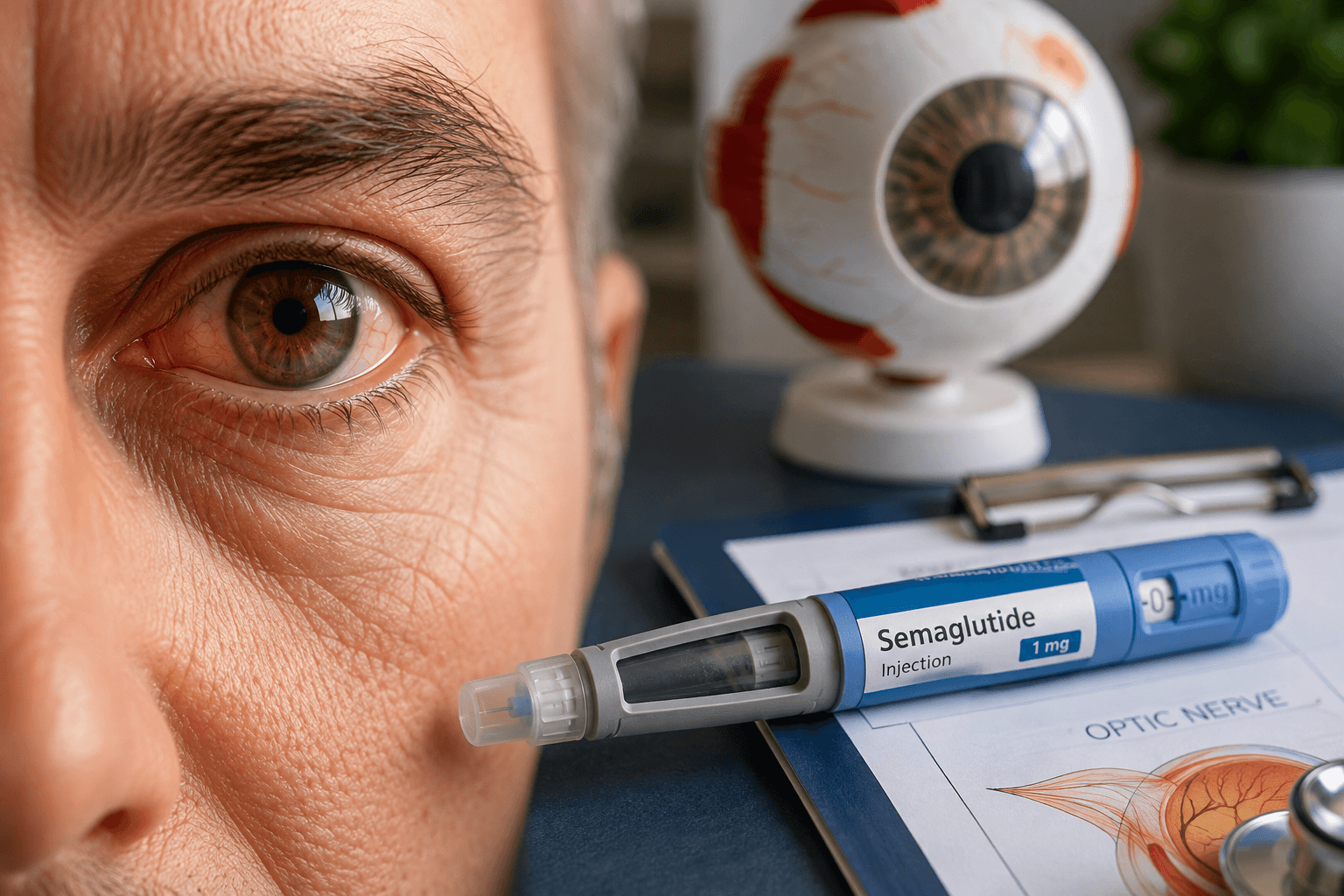
GLP-1 receptor agonists have transformed type 2 diabetes and obesity treatment, but a rare vision safety signal deserves clinicians’ attention. Emerging evidence has raised concerns about a potential NAION risk with GLP-1 therapy, particularly with semaglutide (Ozempic, Rybelsus, and Wegovy). Non-arteritic anterior ischemic optic neuropathy (NAION) can cause sudden, usually …
Read More »
Aug 14, 2026
AI-news, Articles, Blood Glucose Control, Blood Glucose Control, Cardiology, Diabetes, Nephrology, Ophthalmology
4,221 views
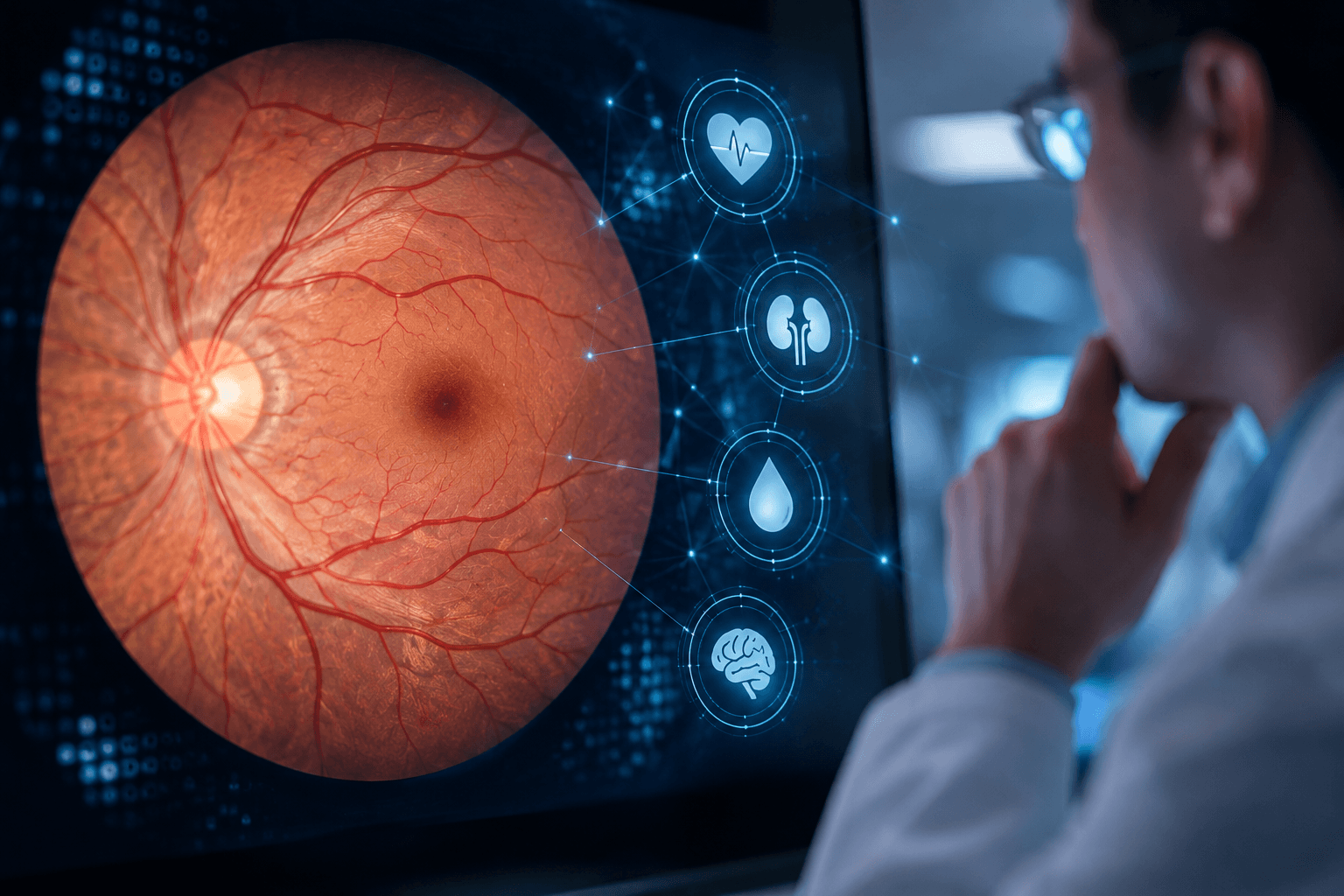
For people with diabetes, a retinal photograph has traditionally answered one major question: Is diabetic retinopathy developing? However, artificial intelligence is beginning to uncover much more. Emerging retinal AI models for systemic risk assessment can detect patterns associated with cardiovascular disease, kidney disease, blood pressure, and metabolic health. As a …
Read More »
Jul 28, 2026
Articles, Blood Glucose Control, Blood Glucose Control, Diabetes, News, Ophthalmology, Type 2 Diabetes, Type 2 Diabetes
1,309 views
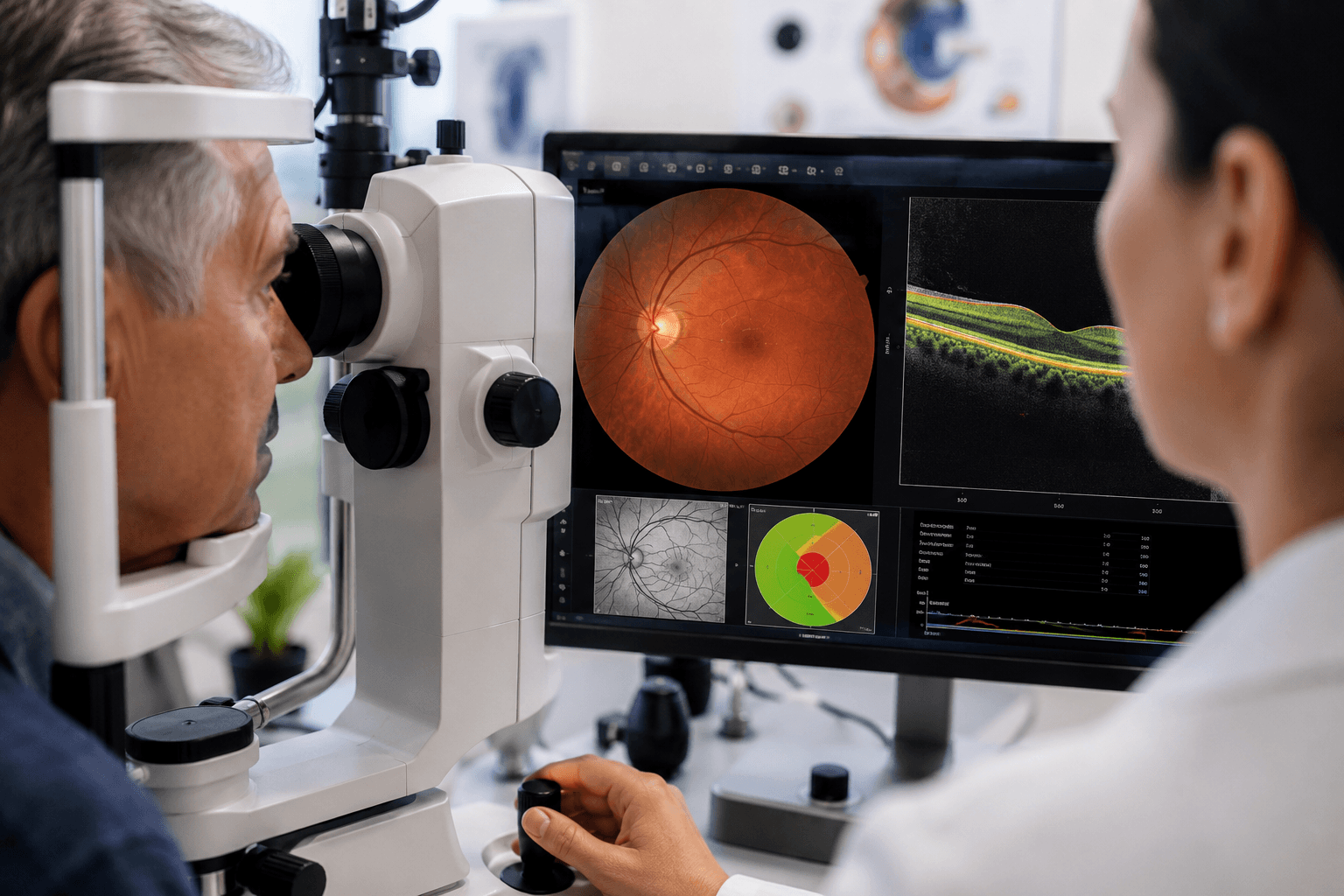
Diabetes affects far more than blood sugar. In fact, the earliest stages of diabetic retinal disease may begin years before an eye doctor can see the classic signs of diabetic retinopathy during a routine examination. Imagine a smoke detector that alerts you before you ever see flames. That is the …
Read More »
Jul 27, 2026
Articles, Blood Glucose Control, Blood Glucose Control, Diabetes, Nephrology, Neurology, Ophthalmology, Prevention, Type 2 Diabetes, Type 2 Diabetes
1,578 views
Diabetes is known for raising blood sugar levels, but its long-term complications often have the greatest impact on health. Kidney disease, vision loss, nerve damage, and cardiovascular disease affect millions of people living with diabetes. For years, researchers focused on inflammation, oxidative stress, and poor circulation to explain these complications. …
Read More »
May 19, 2026
AI-news, Articles, Devices, Diabetes, Ophthalmology, Prevention, Type 2 Diabetes, Type 2 Diabetes
1,722 views
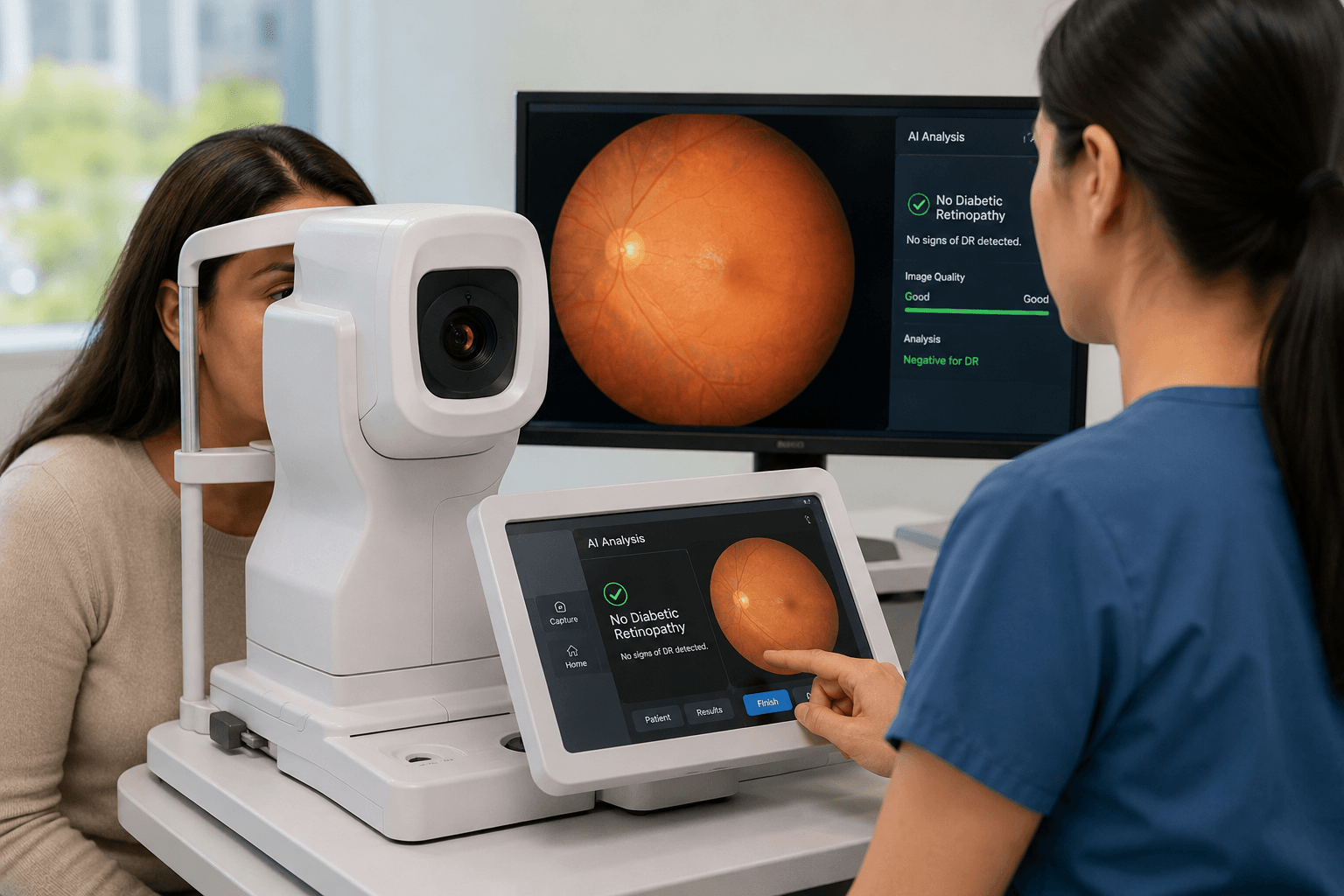
Diabetic retinopathy remains one of the leading causes of preventable blindness worldwide. Yet despite clear screening guidelines, many patients with diabetes still miss their annual retinal exams. Busy schedules, limited specialist access, transportation barriers, and lack of awareness often delay diagnosis until vision changes become permanent. As healthcare systems search …
Read More »
Mar 9, 2026
Articles, Blood Glucose Control, Blood Glucose Control, GLP- 1 Agonist Therapy Center, Ophthalmology, Type 2 Diabetes, Type 2 Diabetes
2,378 views
GLP-1 receptor agonists and dual incretin therapies are transforming diabetes care. These medications often produce significant and rapid improvements in glycemic control, sometimes lowering A1C levels faster than traditional treatments. However, clinicians have begun asking an important question: could rapid A1C reduction with GLP-1 therapy increase retinopathy risk in some …
Read More »
Feb 27, 2026
AI-news, Articles, Devices, Diabetes, Ophthalmology
3,294 views
In 2026, diabetic retinopathy screening is entering a new era driven by artificial intelligence, tele-retinal imaging, and smarter integration into primary care workflows. Despite improved glucose monitoring and widespread use of CGM systems, diabetic retinopathy remains a leading cause of preventable blindness in adults with diabetes. So how can clinicians …
Read More »
Oct 28, 2023
Blog, Ophthalmology, Type 1 Diabetes, Type 2 Diabetes
7,528 views
Diabetic retinopathy is a common complication of diabetes that can lead to severe vision loss and blindness. It is caused by damage to the small blood vessels in the retina, which can result in vision problems such as blurred vision, blind spots, and difficulty seeing in dim light. Understanding the …
Read More »
Oct 1, 2023
Blog, Ophthalmology, Type 1 Diabetes, Type 2 Diabetes
5,612 views
Diabetic retinopathy is a common complication of diabetes that affects the eyes, and can lead to vision loss and blindness. This article provides a clinical overview of diabetic retinopathy, including prevention strategies, treatment options, and a summary. It is important for patients to understand the risks of developing diabetic retinopathy, …
Read More »
Sep 21, 2023
Blog, Nephrology, Ophthalmology, Type 1 Diabetes, Type 2 Diabetes
5,695 views
Diabetes is a chronic condition affecting millions of people worldwide. One of the most serious complications of diabetes is microvascular disease, which can cause damage to the small blood vessels in the body and lead to a range of serious health problems. To help prevent and manage microvascular complications, it …
Read More »
 Diabetes In Control. A free weekly diabetes newsletter for Medical Professionals. News and information for Medical Professionals.